


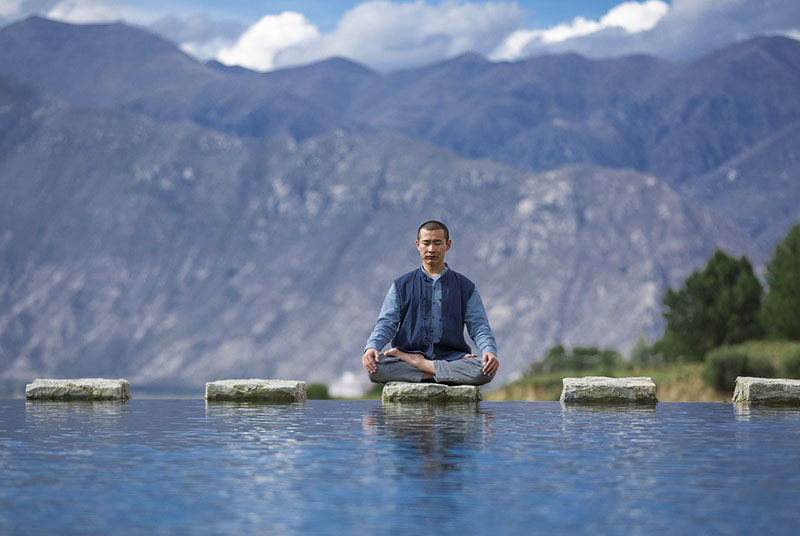
People are increasingly seeking alternative approaches to achieve peace and balance in today’s fast-paced society where stress, anxiety, and mental exhaustion have become unavoidably part of life. Meditation yoga is among the most efficient techniques to cultivate inner peace. Offering a potent instrument for personal transformation and well-being, this holistic approach combines the mental, physical, and spiritual components of yoga with the relaxing, centering advantages of meditation.
We will investigate in this article the basic features of meditation yoga including its methods, advantages, and different manifestations. We will also go over how beginners, children, and those with particular needs might include meditation yoga into their daily lives to encourage relaxation, boost attention, and increase general health.
What is Meditation Yoga?
Meditation yoga is a comprehensive technique including two fundamental components: yoga and meditation. Yoga emphasizes the physical postures (asanas), but meditation is a mental discipline intended to bring stillness, clarity, and increased awareness to the mind.
Meditation yoga is the practice of meditating simultaneously with doing certain yoga positions. Practitioners can relax the mind and body with this mix, therefore boosting awareness, improving focus, and relieving stress. Emotional balance and mental clarity depend on connecting the breath with movement and awareness, therefore opening the gate.
Meditation is a key component of the traditional yoga practice, especially in Hatha yoga and Kundalini yoga. Meditation yoga stresses mindfulness, pranayama breathing methods, and mental workouts meant to promote mental clarity and relaxation.
What is Meditation Technique in Yoga?
Yoga meditation is an active process that seeks deep relaxation and increased awareness by concentrating the mind, not only a passive sitting in silence. Yoga offers a number of meditative methods, each with a distinct approach and advantages. Among the most often used methods are several ones:
1. Mindfulness Meditation (Vipassana)
Mindfulness meditation is founded on the technique of nonjudgmentally noticing thoughts, emotions, and sensations. Practitioners discover how to be in the now, letting go of distractions and concentrating just on this moment. This method aids in awareness raising and stress lowering.
2. Breath Consciousness Meditation
This approach calls on paying attention to the breath and noting its inherent rhythm unmanipulated. Keeping focused on the breath helps practitioners to calm the mind and encourage relaxation. Usually coupled with physical yoga postures, breath awareness helps to improve the advantages.
3. mantra meditating
In mantra meditation, the mind is guided by repeating mentally or aloud a certain sound, word, or phrase (mantra). Repeating helps one to remove distractions and reach a deep meditative state.
4. Guided Meditation
Guided meditation is listening to a skilled instructor lead you through relaxation and visualizing techniques. Beginners who might find it difficult to concentrate alone will find this approach perfect since it promotes mental imagery to support relaxation.
5. Yoga Nidra
Yoga Nidra, sometimes known as “yogic sleep,” is a deep relaxation technique that brings practitioners into a wakefulness-sleep state. This approach releases tension and stress from the body by means of intense mental and physical relaxation.
What Type of Yoga is Best for Meditation?
Although meditation may be included into any kind of yoga, certain types of yoga are especially good for meditative practice because of their emphasis on awareness, breath control, and inner peace. Those wishing to improve their meditation practice should consider these kinds of yoga:
1. Hatha Yoga
For newcomers, one of the most accessible kind of yoga is hatha yoga. It emphasizes meditation methods, pranayama breathing exercises, and simple postures. Hatha yoga builds a solid basis for meditation practice while also improves balance and flexibility Since Hatha yoga exposes them to both physical movement and mental calm, many meditation yoga teachers start there.
2. Kundalini Yoga
Kundalini yoga is a more spiritual form of exercise meant to rouse the sleeping energy—Kundalini—at the spine’s base. This form of yoga uses meditation, chanting, dynamic motions, and breathing exercises to raise consciousness and induce a profound level of awareness. Those wanting to investigate the more spiritual sides of meditation yoga will find kundalini yoga to be especially useful.
3. Vinyasa Yoga
Also known as “flow yoga,” vinyasa yoga combines breathing with movement in a constant flow. Although Vinyasa may appear more physically taxing than other types, it is nevertheless a fantastic way to meditate. Especially for those who struggle to sit still for long periods, the rhythmic flow of breath and movement in Vinyasa yoga can induce a meditative condition.
4. Iyengar yoga
Emphasis on alignment and exactness in postures distinguishes Iyengar yoga, a kind of Hatha yoga. Using items like blocks, straps, and blankets helps this approach open to those of all ages and abilities. Iyengar yoga is perfect for meditation practice since it helps practitioners keep their attention on the now.
5. Restorative Yoga
Deep relaxation and meditation are the main subjects of restorative yoga, a slow, soothing practice. Supported by props to promote a strong feeling of rest, poses are maintained for long. This kind of yoga is fantastic for people who want to deepen their meditative practice and find stress relief.
Meditation Yoga for Beginners
Approaching meditation yoga gradually and patiently is essential if you are just starting. Beginners can get started with meditation yoga using the following advice:
1. Begin with basic poses.
Start with fundamental yoga postures like child’s pose, downward dog, and seated meditation. These postures help you get ready for more profound meditation, relax the mind, and stretch the body.
2. Pay attention to your breathing.
Meditation yoga heavily relies on breathing. Concentrate first on your breath, then notice the inhale and exhale, and deep belly breathing. This aids the mind in quieting and the nervous system in relaxing.
3. Establish Reasonable Objectives
As a novice, you could struggle to sit still for extended periods. Begin with 5 to 10 minutes of daily meditation, then as you get more at ease with the practice, progressively raise the time.
4. Establish a Quiet Surroundings
Select a serene, cozy area for your meditation yoga practice. Use incense, gentle lighting, or soothing music to improve the ambience and promote relaxation.
Meditation Yoga Benefits
Yoga meditation provides a wealth of advantages for the body as well as the brain. These advantages consist of:
1. Lowered Anxiety and Stress
Meditation yoga helps stimulate the parasympathetic nervous system, which controls the body’s relaxation response. Meditation yoga hence can very effectively lower anxiety and stress levels.
2. Improved Concentration and Attention
Consistent meditation and yoga practice improves mental clarity and focus. Emphasis on the breath and the present moment enhances one’s ability to focus in other spheres of life as well.
3. Enhanced flexibility and strength
Meditation yoga’s yoga poses serve to enhance balance, strength, and flexibility. Together with mental clarity, the physical component of yoga helps to build a body more in balance.
4. Emotional Balance
Meditation yoga helps people to handle their emotions positively and constructively. It promotes emotional stability since it helps one be aware and mindful.
5. Improved Sleep
Meditation yoga’s soothing benefits support good sleep. Practicing breath awareness and deep relaxation methods before bedtime can help one sleep longer and better.
Meditation Yoga for Kids
Meditation yoga can benefit youngsters as well as adults; it is not only for them. Children’s meditation helps them gain attention, emotional control, and mindfulness. Early introduction of yoga and meditation can help kids build general well-being and stress management abilities.
Meditation yoga can be enjoyable and interactive for children. Using playful postures, directed imagery, and ingenious breathing techniques can help one find joy in the practice while also acquire important life skills. Yoga meditation for kids also enhances focus, lowers hyperactivity, and increases emotional intelligence.
Yoga Meditation Types
Several forms of meditation can be included into a yoga practice. Every variety presents special advantages:
1. Transcendental Meditation
This method calls for one silently repeating a mantra. Usually included in seated meditation sessions, it aids in mental calming and deep awareness attainment.
2. Loving-kindness meditation
Also called Metta meditation, this technique emphasizes developing love and empathy toward oneself and others. It encourages a feeling of relationship with others and helps to lower bad feelings.
3. Zen Meditation (Zazen)
Zen meditation stresses posture, breath, and awareness in a seated setting. Often done in a calm and peaceful setting, it is perfect for those trying to strengthen their meditation practice.
4. Chakra Meditation
Chakras are the bodily energy centers, and chakra meditation helps to balance them. Concentrating on each chakra helps practitioners unclog blockages and assist energy flow all throughout the body.
Conclusion
A strong technique called meditation yoga combines the mental and physical aspects of yoga with the soothing advantages of meditation. Including meditation methods into your yoga practice can help you to experience great advantages such as lower stress, better mental clarity, and improved emotional balance.
Meditation yoga provides a road to more calm, awareness, and personal development whether you are a novice, a parent introducing yoga to your kid, or someone trying to deepen your meditation practice. Meditation yoga has great transformational potential; with discipline and patience, you may discover this in your life and develop a calmness and well-being.